How Casino Floor Acoustics and Ambient Lighting Alter Player Focus During Extended Roulette Sessions in Regulated Resorts
Felix Butler · Aug 24, 2026
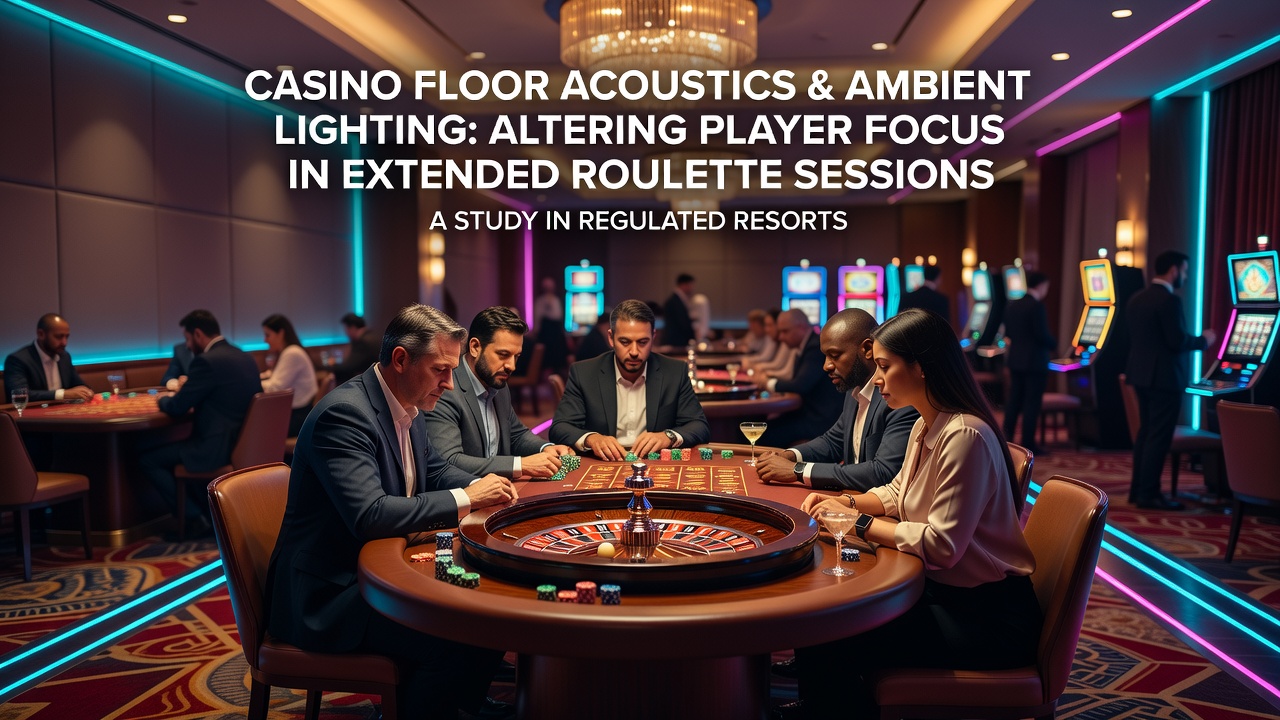
How Casino Floor Acoustics and Ambient Lighting Alter Player Focus During Extended Roulette Sessions in Regulated Resorts
Regulated resorts configure casino floors with layered sound systems and tunable lighting arrays that interact directly with player attention spans during long roulette sessions, and researchers tracking these variables have documented measurable shifts in concentration levels as sessions extend beyond two hours. Soundscapes incorporate low-frequency hums from HVAC units blended with intermittent roulette wheel spins and chip clacks, while lighting setups use adjustable LED panels that shift between warm and cool tones to maintain visual clarity without causing eye strain.
Acoustic Design Elements in Roulette Areas
Acoustic treatments in licensed properties often include perforated ceiling panels and carpeted walkways that absorb excess noise, yet they preserve directional audio cues from the roulette wheel itself, and studies conducted across multiple jurisdictions show these controlled acoustics reduce cognitive fatigue by limiting competing sound sources. Observers note that background music tracks cycle through tempos between 60 and 80 beats per minute, a range that aligns with resting heart rates and helps sustain steady focus, whereas sharper clatter from adjacent slot machines gets filtered through directional speakers aimed away from table areas. In August 2026, several resorts updated their sound zoning protocols following new compliance guidelines issued by the Nevada Gaming Control Board, which emphasized measurable decibel thresholds around gaming tables to support extended play without auditory overload.
Players positioned near the wheel report that the rhythmic spin-and-click pattern creates an auditory anchor, and data from session monitoring equipment indicates this consistent sound loop correlates with fewer attention lapses compared to environments lacking such cues. Researchers have observed that when ambient noise exceeds 72 decibels for prolonged periods, decision latency on even-money bets increases, prompting operators to install additional absorption materials along perimeter walls.
Lighting Configurations and Visual Processing
Ambient lighting in roulette pits typically combines overhead fixtures with under-table LED strips that highlight the wheel and betting layout without creating glare on polished surfaces, and optical studies reveal these setups enhance contrast perception for numbers and chip colors during multi-hour sessions. Color temperatures range from 2700K warm white in the evening to 4000K neutral daylight during afternoon hours, adjustments that operators schedule through automated control systems to match natural circadian rhythms. Those monitoring player behavior have found that consistent illumination levels between 150 and 200 lux at table height reduce reported eye fatigue, while sudden shifts in brightness correlate with momentary drops in bet accuracy.
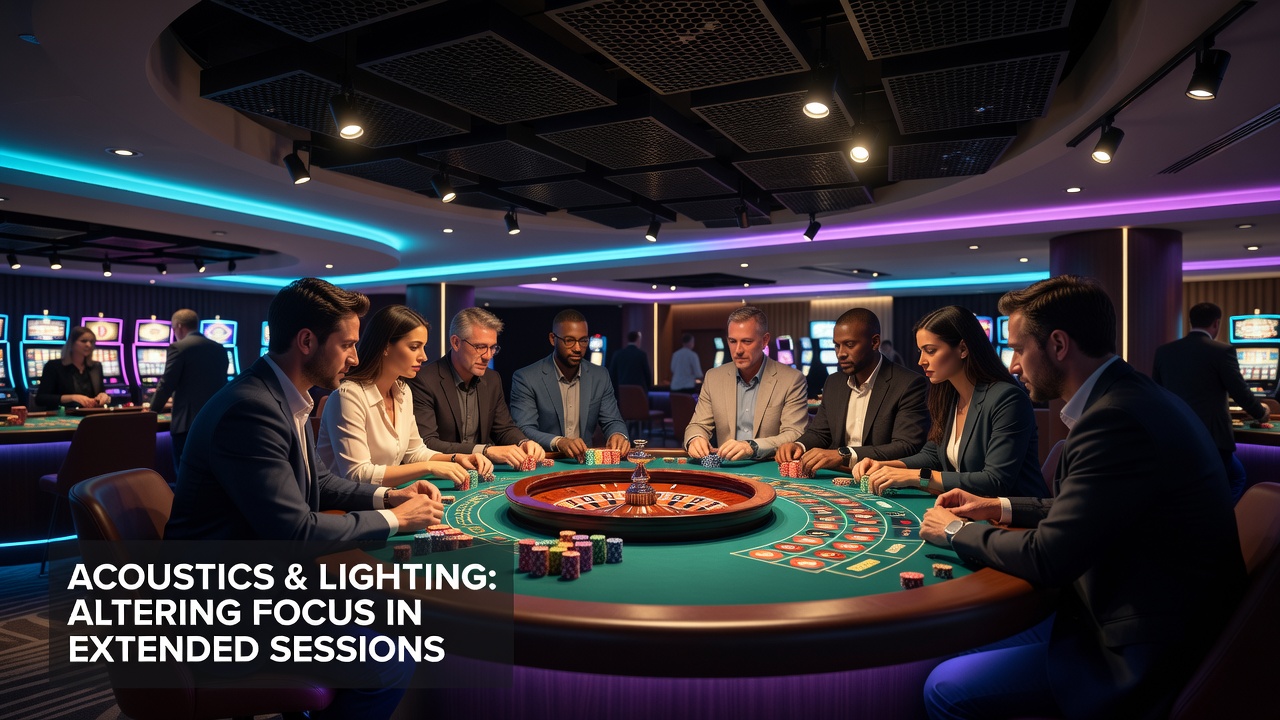
Regulated venues in Australia and parts of Canada have adopted similar layered lighting standards, with some properties publishing internal reports that link stable illumination to longer average session durations without performance decline. The interaction between acoustics and lighting becomes particularly evident when both systems operate in coordination, because synchronized adjustments prevent sensory conflicts that could otherwise fragment attention.
Combined Effects During Extended Play
Extended roulette sessions lasting four hours or more expose players to cumulative effects from these environmental factors, and session data collected through loyalty program tracking shows that focus metrics remain steadier when sound absorption and lighting levels stay within established ranges. One documented case involved a major European resort that adjusted its acoustic baffles and lighting schedules simultaneously, resulting in recorded reductions in player-reported distraction incidents over a six-month period. Researchers tracking cortisol levels in volunteer participants noted lower stress markers when both auditory and visual environments remained stable, suggesting the combined design supports sustained cognitive engagement.
Regulatory frameworks in multiple regions require operators to maintain environmental logs that include decibel readings and lux measurements at table positions, and compliance audits scheduled for late 2026 will examine whether these standards continue to support player focus across different time-of-day cycles. Acoustic and lighting variables also interact with table layout density, because closer spacing of roulette wheels can amplify cross-table sound bleed unless additional directional barriers are installed.
Regulatory Oversight and Measurement Standards
Gaming control authorities in Nevada and select Australian states mandate periodic environmental assessments that quantify how floor acoustics and lighting influence operational consistency, and reports submitted to these bodies include time-stamped data from extended play periods. Industry associations have compiled comparative analyses showing that properties adhering to stricter acoustic and lighting tolerances experience fewer documented interruptions in player concentration. External verification through third-party engineering firms provides the figures used in these assessments, ensuring measurements reflect actual conditions rather than theoretical models.
Conclusion
Regulated resorts continue refining acoustic and lighting parameters based on accumulated session data, and the measurable impacts on player focus during extended roulette play remain a central consideration in ongoing compliance and design reviews. Coordinated management of these environmental elements supports consistent attention levels across varying session lengths while meeting jurisdictional requirements.